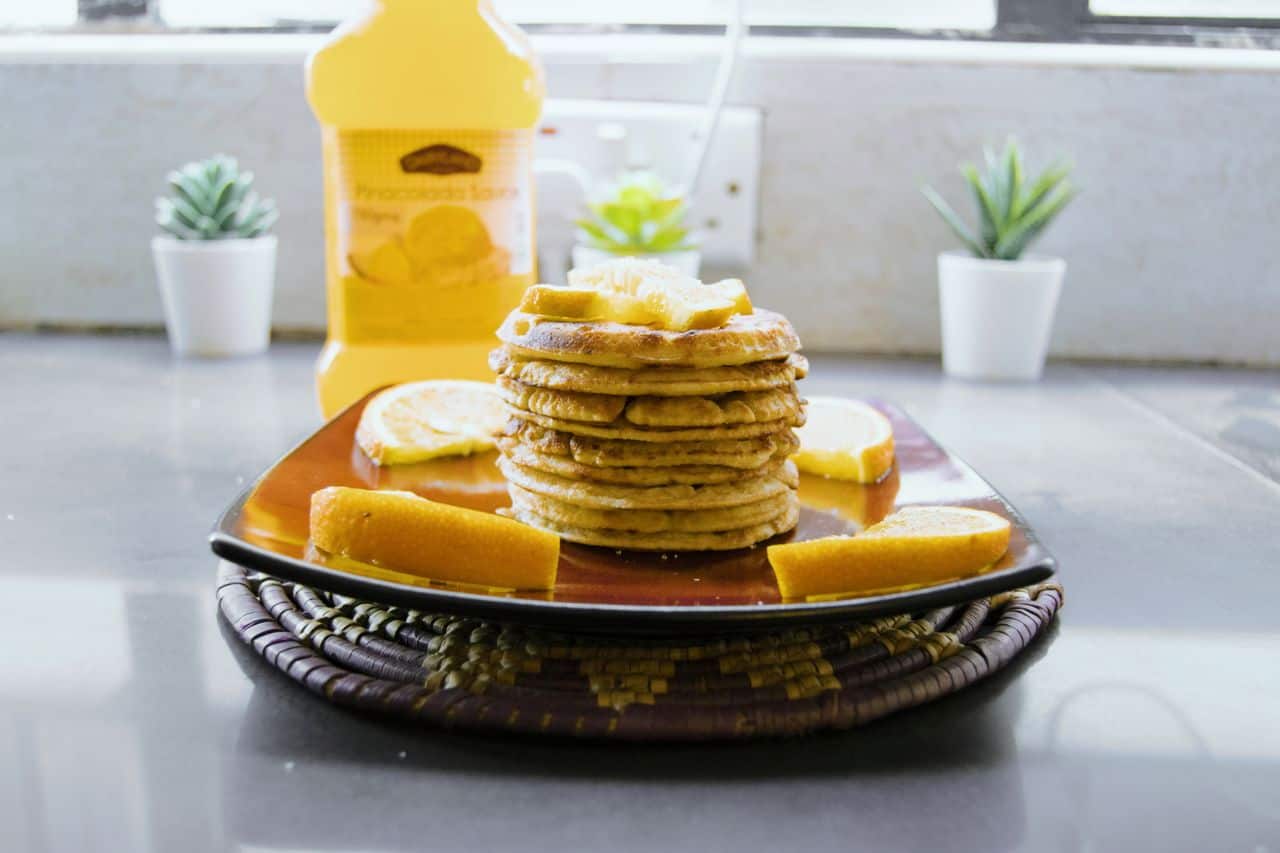
Crepes are thin, soft, delicate pancakes that can be enjoyed with both sweet and savory fillings. They are simple to prepare at home and require only a few everyday ingredients. Unlike thick pancakes, crepes have a smooth and light texture that makes them perfect for breakfast, dessert, snacks, or even a quick meal.
The secret to making good crepes is preparing a smooth, thin batter and cooking it gently in a lightly greased pan. With the right consistency and a little practice, you can make restaurant-style crepes in your own kitchen.
What Are Crepes
Crepes are a traditional French-style dish made from a thin batter containing flour, milk, eggs, butter, and a small amount of salt. The batter is spread very thinly across a hot pan and cooked until the edges become lightly crisp while the center remains soft.
Sweet crepes are commonly served with fruits, chocolate, honey, jam, powdered sugar, or whipped cream. Savory crepes can be filled with vegetables, cheese, mushrooms, or other flavorful ingredients.
Ingredients for Homemade Crepes
Basic Crepe Ingredients
For a simple batch of homemade crepes, you need all-purpose flour, milk, eggs, melted butter, a little sugar if you are making sweet crepes, and a small amount of salt.
The milk helps create a smooth and pourable batter, while eggs provide structure and help give the crepes their soft texture. Melted butter adds flavor and also helps prevent the crepes from sticking to the pan.
Optional Ingredients
For sweet crepes, you can add vanilla extract or a small amount of cinnamon for extra flavor. For savory crepes, you can leave out the sugar and add herbs or mild seasonings according to your preference.
How to Make Crepe Batter
Combine the Dry Ingredients
Start by adding the flour, salt, and sugar to a large mixing bowl. Stir the ingredients together so the seasoning is evenly distributed throughout the flour.
Add the Wet Ingredients
Add the eggs and gradually pour in the milk while whisking continuously. Adding the milk slowly helps create a smoother batter and reduces the chance of large lumps forming.
Pour in the melted butter and continue whisking until the mixture becomes smooth and thin.
Check the Batter Consistency
Crepe batter should be considerably thinner than regular pancake batter. It should easily flow when poured and spread quickly when the pan is tilted.
If the batter seems too thick, add a small amount of milk and mix again. If it is too thin, a little additional flour can be added.
Resting the Crepe Batter
Why Resting Is Important
Allowing the batter to rest for around twenty to thirty minutes can improve the texture of the finished crepes. During this time, the flour becomes fully hydrated and the batter becomes smoother.
Resting also helps reduce some of the elasticity created during mixing, which can make the crepes more tender and easier to spread.
Refrigerating the Batter
If you want to prepare the batter ahead of time, cover it and keep it refrigerated. Give it a gentle stir before cooking because some ingredients may settle while the batter rests.
How to Cook Thin Crepes
Heat the Pan
Place a non-stick frying pan or crepe pan over medium heat. Allow the pan to become evenly warm before adding the batter.
Lightly grease the surface with butter or a small amount of cooking oil. Avoid using too much fat because excessive butter or oil can make it difficult for the batter to spread evenly.
Pour the Batter
Pour a small amount of batter into the center of the hot pan. Immediately tilt and rotate the pan so the batter spreads into a thin, even layer.
The amount of batter required depends on the size of your pan. Using less batter generally produces thinner crepes.
Cook the First Side
Let the crepe cook until the surface looks set and the edges begin to lift slightly from the pan. The underside should develop a light golden color.
This usually takes a short amount of time because the crepe is very thin.
Flip the Crepe
Carefully loosen the edges with a thin spatula and flip the crepe. Cook the second side briefly until it is lightly cooked and develops a little color.
Transfer the finished crepe to a plate and continue with the remaining batter.
How to Keep Crepes Soft
Avoid Overcooking
One of the most common reasons crepes become hard or dry is overcooking. Since they are thin, they need only a short time on the pan.
Remove each crepe as soon as it is cooked through and lightly golden.
Stack the Crepes
Place the cooked crepes on top of one another. Their own warmth and moisture help keep the stack soft.
You can also cover the stack with a clean kitchen towel if you are preparing several crepes before serving.
Sweet Crepe Filling Ideas
Chocolate and Banana
Spread chocolate hazelnut spread or melted chocolate over the crepe and add sliced banana. Fold the crepe and finish it with a light dusting of powdered sugar.
Fresh Fruit and Cream
Fill the crepe with strawberries, blueberries, mango, or other fresh fruit. Add whipped cream for a light and refreshing dessert.
Honey and Nuts
Drizzle honey over a warm crepe and add chopped almonds or walnuts. A small amount of cinnamon can provide additional warmth and flavor.
Savory Crepe Filling Ideas
Cheese and Vegetables
Fill the crepe with sautéed vegetables and grated cheese. Fold it and heat it briefly until the cheese melts.
Mushroom and Cheese
Cook sliced mushrooms with mild seasoning and combine them with cheese. This makes a flavorful savory crepe suitable for breakfast or lunch.
Spinach and Cheese
Cook spinach until tender and combine it with cheese before adding the mixture to the crepe. This is a simple way to make a filling and satisfying savory option.
Common Mistakes When Making Crepes
Using Thick Batter
A thick batter will produce something closer to a pancake than a traditional crepe. The batter should be thin enough to spread quickly across the pan.
Using Excessive Heat
Very high heat can cause the crepe to brown too quickly while making it difficult to spread the batter evenly. Medium or medium-low heat usually provides better control.
Adding Too Much Batter
Too much batter creates a thick crepe. Start with a small amount and adjust according to the size of your pan.
Skipping the Batter Rest
Although resting is not absolutely required, it can help produce a smoother and more tender result.
Tips for Perfect Homemade Crepes
Use a Good Non-Stick Pan
A quality non-stick pan makes it much easier to spread and flip thin crepes without tearing them.
Keep the Heat Consistent
Try to maintain a steady medium temperature throughout cooking. Adjust the heat slightly if the crepes are browning too quickly or taking too long to cook.
Stir the Batter Occasionally
If the batter sits for a while, gently stir it before making the next crepe to maintain an even consistency.
Make the First Crepe a Test
The first crepe often helps you determine whether the pan temperature and batter consistency are correct. Use it to adjust the amount of batter and heat before preparing the rest.
How to Serve Crepes
Crepes are best served warm and can be folded into halves, quarters, or rolled depending on the filling. Sweet crepes can be topped with powdered sugar, chocolate sauce, fruit, honey, or whipped cream.
Savory crepes can be served with cooked vegetables, cheese, herbs, mushrooms, or a light sauce. Their neutral base makes them easy to customize according to your taste.
How to Store Homemade Crepes
Allow the cooked crepes to cool before storing them. Place sheets of parchment paper between the crepes and keep them in an airtight container in the refrigerator.
When you are ready to eat them, warm the crepes gently in a pan or microwave until they become soft again.
Final Thoughts
Making thin and soft crepes at home is easier than it may seem. The most important steps are creating a smooth, pourable batter, allowing it to rest, using moderate heat, and spreading a small amount of batter quickly across the pan.